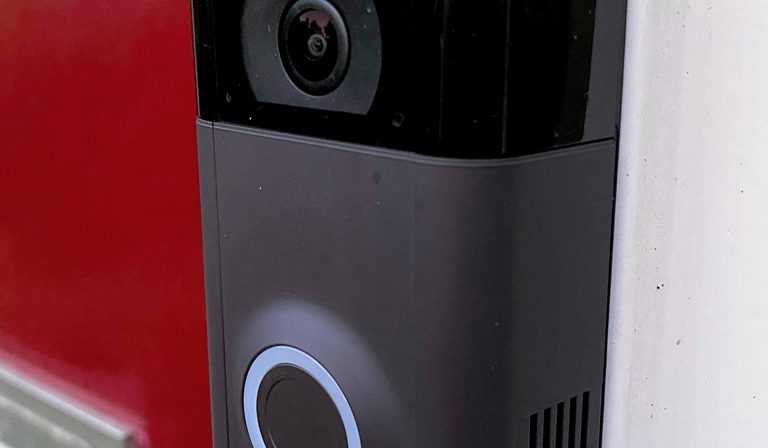
Video doorbells have been around long enough that the hype has settled. Most models work, but many still fail at the basics: reliable notifications, clear video, and a battery that lasts more than a month. In 2026, the market splits into clear tiers, and the right choice depends less on specs and more on your home’s wiring, your privacy tolerance, and how deep you are in a smart-home ecosystem.
This guide cuts through the marketing. I’ll cover the real tradeoffs—installation hassle, ongoing subscription costs, and ecosystem lock-in—so you can pick a doorbell that won’t become a headache six months from now.
Wired vs. Battery: The First Real Decision
The single most important choice is whether you have existing doorbell wiring (16–24 V AC) or need a battery-powered unit. This decision affects reliability, video quality, and long-term cost.
Wired doorbells are almost always better. They record continuously (or at least with a pre-roll buffer), never miss events due to low battery, and don’t require you to climb a ladder every few months to recharge. The catch: installation is harder. You need to confirm your transformer can handle the doorbell’s power draw (many older homes have underpowered 10 V transformers). You may also need to bypass or replace your mechanical chime. If you’re not comfortable with low-voltage wiring, budget for an electrician ($100–$200).
Battery doorbells are for renters or anyone without existing wiring. They’re easy to install—stick or screw onto any surface. But battery life varies wildly. In cold climates (below freezing), lithium-ion batteries drain fast; you might recharge every 3–4 weeks. Most battery models also disable continuous recording to save power, so you’ll miss the first few seconds of motion events. Some brands offer solar panels ($30–$60) that extend battery life, but they rarely keep up in winter.
Recommendation: If you have wiring, go wired. If you don’t, a battery model with a solar panel is tolerable, but accept the tradeoffs.
Video Quality: Don’t Chase 4K
Every year, manufacturers push higher resolution. In 2026, 4K doorbells exist, but they’re overkill for a 16:9 sensor that’s usually mounted 4 feet off the ground. You won’t read a license plate from 30 feet away, regardless of resolution—the lens and sensor size matter more.
The sweet spot is 2K (2560×1440). It gives enough detail to identify faces and packages without the bandwidth and storage costs of 4K. HDR (high dynamic range) is more important than raw resolution—it prevents blown-out skies and dark shadows when someone stands in direct sunlight.
Field of view matters too. A 160° diagonal view is standard, but wider lenses (180°+) introduce fisheye distortion that makes faces look curved. Stick with 140°–160° for a natural perspective.
Night vision has improved. Most mid-range and premium models now offer full-color night vision using a built-in LED floodlight. That’s useful for deterring porch pirates, but the light can be annoying to neighbors. Infrared-only night vision is fine if you don’t need color—it’s less intrusive and works in complete darkness.
Smart Features and AI: What’s Actually Useful
Every doorbell claims AI-powered detection. In practice, the useful features are:
- Package detection – alerts you when a package is placed and when it’s picked up. This works well on most 2026 models, but false positives (a leaf blowing across the porch) are still common.
- Facial recognition – lets you label known visitors (family, delivery drivers) and get different alerts. This requires cloud processing on most brands, which means a subscription.
- Activity zones – lets you ignore sidewalks or trees. Essential for reducing false alerts. Works locally on some models, but many still require cloud processing.
The subscription trap: Most major brands (Ring, Nest, Arlo) require a monthly fee ($3–$10/month) for cloud storage of video clips and advanced AI features. Over 3 years, that’s $108–$360—often more than the doorbell itself. Some brands (Eufy, Aqara, Reolink) offer local storage via microSD or HomeBase with no subscription for basic recording. Their AI features are less polished, but you save money and keep video off the cloud.
Privacy tradeoff: If you care about local-only recording, avoid Ring and Nest. Eufy and Aqara have had security breaches in the past, but their 2026 models encrypt video end-to-end. No system is perfect, but local storage is inherently more private than cloud-only.
Ecosystem Lock-in: Pick Your Poison
If you already have smart lights, locks, or speakers from one ecosystem, buy a doorbell that works natively. Mixing ecosystems usually means losing features like two-way talk on an Echo Show or video pop-up on a Google Nest Hub.
- Amazon Alexa – Ring is the obvious choice, but many third-party doorbells (Eufy, Arlo) also support Alexa. Ring’s subscription is expensive, but integration is seamless.
- Google Home – Nest doorbells are the only ones with full integration (including doorbell press announcements on Nest Hubs). Third-party support is weaker.
- Apple HomeKit – Still limited. Aqara and Logitech offer HomeKit Secure Video (requires iCloud+ subscription). No doorbell supports HomeKit natively with all features.
- Matter – In 2026, Matter support is common, but it only covers basic functions (doorbell press notification, live view). Advanced AI and recording still require the brand’s app. Don’t buy a doorbell solely for Matter—it’s not a replacement for native ecosystem support.
Recommendation: If you’re deep in one ecosystem, stay there. If you’re starting fresh, pick a brand that offers local storage and works with both Alexa and Google (like Eufy or Reolink) to keep options open.
Installation and Power: The Hidden Gotchas
Wired doorbells need a transformer that supplies at least 16 V AC and 30 VA (volt-amps). Many homes have 10 V or 16 V 10 VA transformers—insufficient for modern doorbells. Check your transformer before buying. Upgrading costs $20–$50 for the part plus labor if you hire someone.
Mechanical chimes often need a bypass module (included with most wired doorbells) to prevent humming. Digital chimes are usually compatible. If you don’t want to mess with wiring, choose a doorbell that includes a plug-in chime (like Ring’s Chime Pro) or use an Echo/Google speaker as a chime.
Battery doorbells avoid wiring but introduce another problem: cold weather. Below 32°F (0°C), battery capacity drops 30–50%. If you live in a northern climate, expect to recharge every 2–3 weeks in winter. Some models (Eufy, Arlo) have removable batteries, so you can swap without taking the whole unit down.
Budget vs. Premium: What You Actually Get
Budget tier ($50–$100): Basic 1080p video, no HDR, limited AI (motion detection only), battery-powered, no local storage. These work for basic awareness but miss events, have poor night vision, and often fail to connect in time for a live view. Worth it only if you need something cheap for a rental.
Mid-range ($100–$200): The sweet spot. 2K video with HDR, reliable motion detection, package detection, local storage option (microSD or base station), and either wired or battery with solar panel support. Brands like Eufy, Reolink, and Aqara dominate this tier. No subscription required for core features. Expect 2–3 years of reliable service.
Premium ($200+): 4K video (often unnecessary), advanced AI (facial recognition, vehicle detection), better build quality (metal housing), and sometimes a built-in floodlight. Nest and Ring’s top models sit here, but they require subscriptions for most features. The value proposition is weak unless you need the best night vision or want seamless ecosystem integration.
Closing Recommendation
For most people, a mid-range wired doorbell with local storage (no subscription) is the best value in 2026. If you can’t wire it, a battery model with a solar panel from the same tier will work—just accept shorter battery life in winter. Avoid budget models unless you have zero expectations, and skip premium unless you’re already paying for a smart-home subscription.
This page contains affiliate links. If you buy through these links, we may earn a small commission at no extra cost to you.